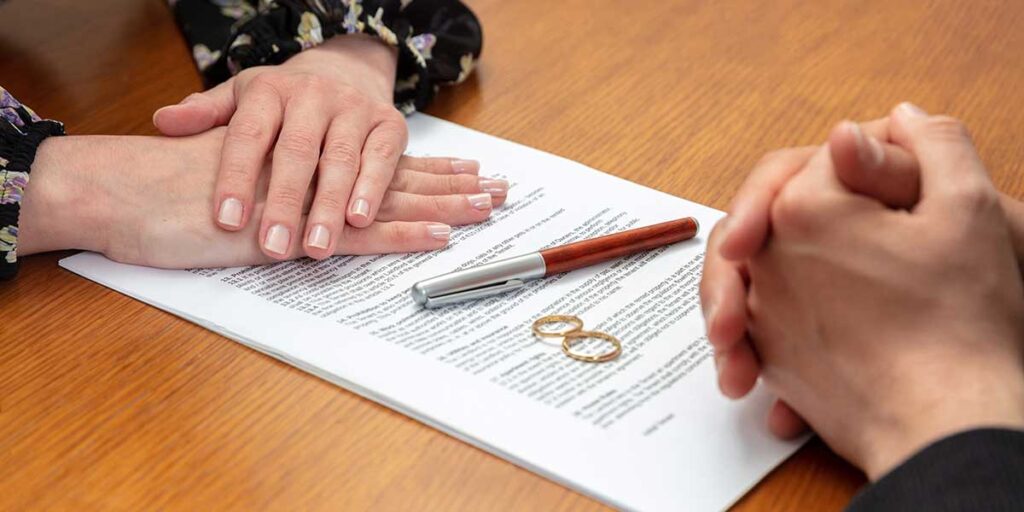
You filed for divorce, but your spouse is refusing to sign anything, and now you are facing what feels like a dead end. Many people in this situation ask, “What happens if your spouse refuses to sign divorce papers?” and assume the process is completely stalled.
Under California law, one spouse’s refusal to participate does not prevent the divorce from continuing. In this guide, CC LawGroup, A Professional Corporation, explains what happens when a spouse does not respond, how service and deadlines work, and why delays can backfire.
When Should You Contact a Family Law Attorney in Newark, CA?
Family matters can quickly become complicated, especially when divorce, child custody, property division, or support modifications are involved. Situations like these come up regularly in Newark, CA, and early legal guidance can protect you from costly mistakes down the road.
A qualified family law attorney in Newark, CA can review your specific situation, ensure every filing is accurate, and help you meet court deadlines. Whether you are filing or responding, legal guidance can shape how your case moves forward.
Why Refusing To Sign Can Leave a Spouse at a Disadvantage
For many people, the question “What happens if your spouse refuses to sign divorce papers?” comes down to whether one spouse can stop the divorce. In California, they cannot block the process once the case has been properly filed and served.
The bigger issue is what happens after the response deadline for the divorce petition passes without action. A spouse who remains uninvolved may miss the chance to weigh in on key decisions, such as protecting parental rights, leaving them in a weaker position when the court finalizes the case. Furthermore, once a final judgment is issued, both parties must strictly comply with the court’s orders; failure to do so can result in serious consequences, such as contempt of court in family law matters.
What the Service of Divorce Papers Sets in Motion
Once the service of divorce papers is complete, the clock officially starts ticking for the other spouse. Here is how the process unfolds from that point forward:
- Filing the petition: The spouse initiating the divorce, known as the petitioner, submits a formal divorce petition to the family court.
- Legal notification: The other spouse, called the respondent, must be formally served before any response deadlines begin.
- Response window: The response deadline for a divorce petition in California is 30 days from the date the respondent is served.
- No response filed: If the deadline passes without a response, the petitioner may then request a default divorce judgment, which allows the case to proceed without the respondent.
Understanding Your Options After the Response Deadline Passes
Once the 30-day window closes without a response, the case shifts to default status. Here is how each stage of that process unfolds.
The Default Divorce Judgment
A default judgment allows the court to finalize the case without participation from the responding spouse. The court reviews the submitted paperwork and, if everything is in order, approves the divorce. However, you may need emergency custody of a child if immediate safety concerns arise during proceedings.
The Uncontested Divorce Process
Because no response was filed, the case automatically follows the uncontested divorce process. This path moves faster and does not require a trial, which reduces both time and legal costs for the filing spouse.
The Court Issued a Divorce Order
Once the judge approves all submitted documents, a court-issued divorce order is signed, and the marriage is legally dissolved. At that point, the unresponsive spouse loses the right to contest custody arrangements, support terms, or property division decisions.
Steps To Finalize Divorce Without Spouse Consent
Divorce without the spouse’s consent is possible in California, and the divorce process outlines a clear path to it. If you are still thinking, “What happens if your spouse refuses to sign divorce papers?” these steps show how you move toward a final judgment:
- Disclose your finances: You are required to share your financial records with your spouse before the court will enter a default.
- File Form FL-165: This form formally requests that the court enter a default against your unresponsive spouse.
- Submit final paperwork: Turn in all required judgment documents so the court can review and approve the terms of your divorce.
- Receive the final order: Once the judge signs the paperwork, the marriage is legally ended, and the case is closed. At this point, you should consider portability in estate planning to update your long-term asset protections.
What CC LawGroup, A Professional Corporation, Wants You To Know
A spouse’s refusal to cooperate does not stop a divorce in California. CC LawGroup, A Professional Corporation, helps clients understand what happens in this circumstance and which steps will keep the case moving forward.
Whether your matter involves a default judgment or a contested versus uncontested divorce, CC LawGroup, A Professional Corporation, provides clear legal guidance at every stage. Call (510) 818-0000 to discuss your case in Newark, CA.