You may feel scared in your own home and not know how to make it stop. A domestic violence restraining order is a court order that can restrict an abusive person’s contact with you and impose other protections based on your situation. If your safety concerns are tied to a divorce or custody dispute, family lawyers in Newark, CA, can help you address both issues in the same family law case.
In this guide, CC LawGroup, A Professional Corporation, will explain domestic violence restraining orders.
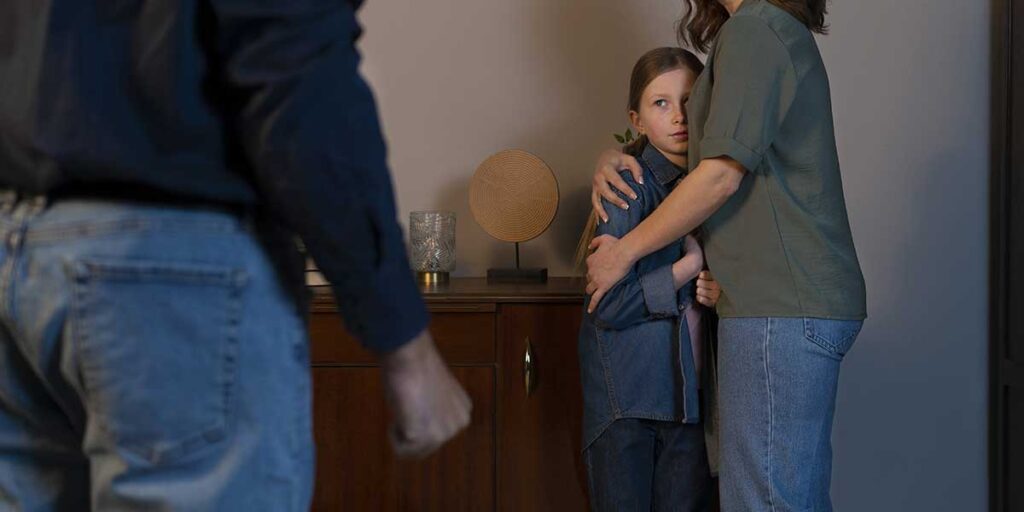
What Is a Domestic Violence Restraining Order?
California courts issue domestic violence restraining orders to protect people from someone who has abused or threatened them. This can include a spouse or a former partner.
It can also include certain close family members or someone with whom you have had a qualifying intimate relationship. Once granted, the order can affect the restrained person’s custody rights and ability to own a firearm.
Who Qualifies as a Protected Person?
To request a DVRO, you generally must have a qualifying intimate or close family relationship with the person you want protection from. A qualifying relationship can involve a current or former intimate partner, including someone you are dating, or certain close family members.
What Are Temporary Restraining Orders?
A temporary restraining order may provide immediate protection while the case moves toward a hearing. After you file your request, a judge will review it and decide whether a temporary order is appropriate. Courts move quickly on restraining orders in domestic violence cases since any delay could put someone at further risk.
This short-term order generally remains in effect until the court date. If the hearing is continued, the judge may extend the temporary order.
What Counts as Domestic Violence Under California Law?
Domestic violence covers more than physical injury and can include nonphysical conduct used to control another person or make them fear for their safety. Reviewing how the law defines domestic violence and abuse can help you recognize behavior that may qualify, even if no one has been physically hurt yet.
The following situations may support a request for court protection:
- Physical abuse: Hitting, choking, or any physical harm caused on purpose
- Threats: Statements meant to make someone fear for their safety
- Harassment: Repeated unwanted contact meant to alarm or annoy
- Stalking: Following or monitoring someone without consent
The court can consider these behaviors when deciding whether protective orders are appropriate.
Personal Conduct Orders and Stay-Away Orders
A domestic violence restraining order can include more than one type of restriction, and judges often combine them based on the facts of the case.
Personal Conduct Orders
Personal conduct orders can prohibit contact and other abusive or threatening conduct toward the protected person. The specific restrictions depend on the judge’s order.
Stay-Away Orders
Stay-away orders require the restrained person to keep a set distance, often 100 yards, from the protected person’s home or workplace. The order can also extend to a school or vehicle. Violating the required distance, even briefly, can lead to arrest.
What Happens at a Restraining Order Hearing?
Both people involved get a chance to speak at the restraining order hearing, and the judge listens to evidence before making a final decision. The person requesting protection can bring witnesses or written evidence to support the request. The restrained person can also present evidence and explain their side of the story. The judge then decides whether to issue a longer-term order.
How Long Does Protection Last?
A long-term order issued after the hearing can last for varying lengths of time, based on the case:
- Long-term orders: These orders may last up to five years, depending on the circumstances.
- Renewed orders: The court may renew an order for five or more years if it grants the request, depending on the circumstances considered during the renewal process.
You must file a renewal request before the current order expires.
How CC LawGroup Can Help With Your Restraining Order Case
We know that asking for a domestic violence restraining order can feel overwhelming while you’re worried about your safety and family. For more than 28 years, our firm has helped East Bay and Tri-Valley families through similar situations. When a restraining order case overlaps with custody, we can also help with getting emergency child custody when child safety is at issue.
Attorney Cynthia Cho brings experience as a lawyer and mediator and has also served as a private judge. If you are ready to move forward with a domestic violence restraining order, call CC LawGroup, A Professional Corporation, at (510) 818-0000 to discuss your options in the East Bay and Tri-Valley area.